 Messed!Up
In the beginning of 2012 a singer-songwriter infiltrated my weekly recommendation list on Spotify. A Dutch artist taking his name from the Danish pro cyclist family Blaudzun surprisingly appeared on the list after releasing the album “Heavy Flowers”, an album that ended up on my personal top ten list that year. Fast forward six years and we met up with Johannes Sigmond and his alter ego Blaudzun for an interview at Knust in Hamburg a few hours before his show at the About Songs Festival, an interview entailing his interest in pro cycling and how the influential work of David Bowie and Nick Cave has affected his songwriting.
We arrive a bit early to the interview while Johannes is still in the shower but the very friendly staff of DevilDuck Records take care of us and show us in the direction of the backstage room where the Bladzun band present themselves. In just a few minutes Johannes arrives and after a short struggle with a malfunctional coffee machine the interview starts in his pro biking interest.
Thank you for having us Johannes. I’ll start with something completely out of your music. Blauzdun has a connection to the Danish biker family of Verner and Michael Blaudzun? What’s your interest in pro biking?
I love pro cycling and I like biking and when I decided for an artist name for about fifteen years ago I came across the name Blaudzun, and I just liked the sound of it. But I found it because I love cycling. Verner Blaudzun was in the Olympics competing for Denmark but was not very known, and later I learned that his son Michael also was a pro cyclist, in a Dutch team. But it’s not like a tribute to them, it’s just that I like the sound of the name, and it ended up to be my artist name.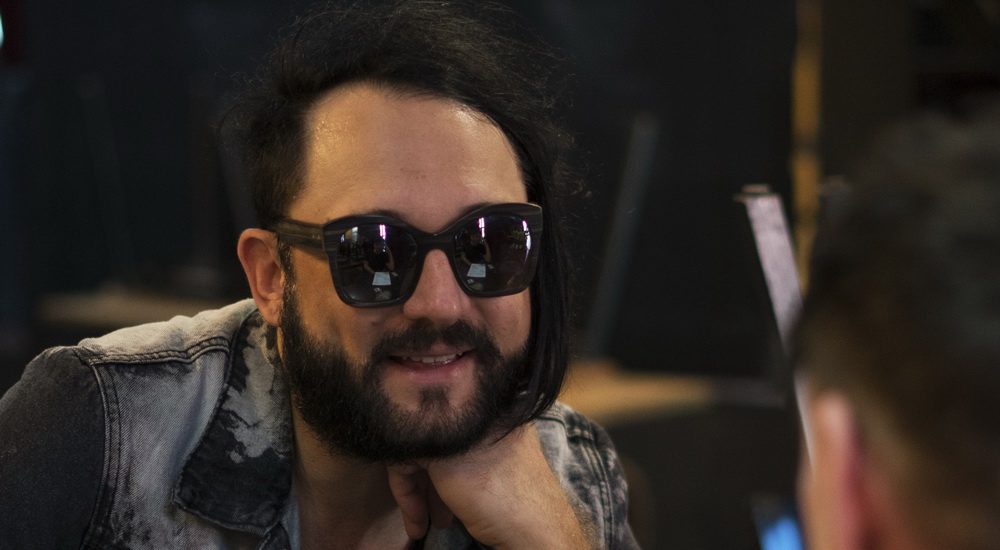
But you have been a cyclist yourself?
Not professionally but I do it a lot. My brother was a really good amateur racer; he, Jakob, is in the band as well. I just like it for the fun, to stay fit, and I usually watch all the races. Giro d’Italia is on the tv at this moment so we have to make this a quick one (laugh).
Actually, I had email contact with Michael Blaudzun once – he heard the story and liked the music – and he told his father and although they know it’s not a tribute they really like the idea of a musician from Holland taking his artist name after their family name.
The Jupiter trilogy
Blaudzun stands out from the crowd of singer-songwriters by sheer productivity in terms of album releases. The huge success with “Heavy Flowers” – you have to listen to it – in 2012 was quickly followed by “Promises of No Man’s Land” in 2014, and just a few months later Blaudzun decides to release a trilogy of albums called the Jupiter trilogy – “Jupiter I” in 2016, “Jupiter II” in 2017 and in April this year the last piece of the trilogy arrived, “_UP_”.
While many musicians need to have a few months off in between albums and the ordinary album cycle – releasing an album, doing promotion and going on tour – Blaudzun seems to just continue producing album after album with no drop in productivity in sight.
You are on tour with your latest album “Up” which is part of the “Jupiter” trilogy. What does it mean musically to do a trilogy?
It’s about working your ass off (laugh). I started this three-piece project since I was fed up with the neverending circle of making a record, touring and making a new record. You know, you release an album and then you go on tour for two years before you put another one out.I did that four times but after “Promises of No Man’s Land” I thought “I need to change this pattern of releasing records and going on tour”, I needed something different, a new approach to music.
I took a year off, started the project [Haty Haty] with David Douglas and then thought “Let’s make a record with a collection of songs with no real concept in the background” except that I had this rule that it had to be done in one year and it had to be done three times, just like all good things come in threes.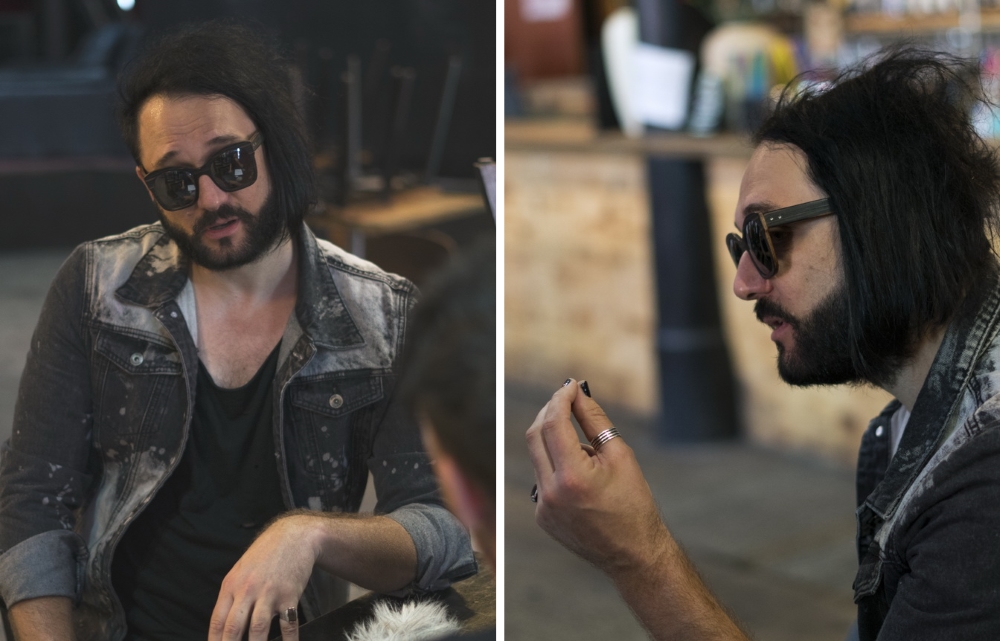
But you never felt that “Why pressure myself to do a trilogy”? You didn’t feel that you promised too much from the beginning?
I needed that and I also wanted to set the bar high. I also thought “What about thinking of an idea, write a song, record it and play it the next day” – all happening simultaneously. Basically it meant that I was working in the studio, making the lyrics backstage, doing my tour and the promo stuff – all at the same time – and it gave something back.
“Up” is your seventh album since 2008, that’s seven albums in 10-11 years depending on how you count it. When comparing you to most other artists you are very productive in terms of album releases. Do you find it easy to restart the creative process, to go into the studio and almost record a new album every 1,5 year? I mean, most artists I’ve interviewed need time off to restart but it doesn’t seems like you need it at all. How does creativity work out for you?
Well, I love to write songs and I need to write songs. Even if I haven’t planned for a new album I love to write. To me it’s fun but also a way to deal with things, but it is different from when you have planned for a new album and you have to work on new songs instead of working for pure fun, but I like the idea I just told you about, to do it all at the same time.
Bands in the 1960s and 1970s released new records all the time, every year or sometimes two a year. But it’s not that I will keep this tempo all the time. I took my time with the “_UP_” album and it was actually planned to be released in October last year but came out in April this year because the songs needed more time, maybe because these songs are more special in the sense of being closer to me than on “Jupiter I” and “Jupiter II”. In hindsight I think that the one and two albums were more like studies for this album.
But have you ever felt pressured to repeat the success of your breakthrough album “Heavy Flowers” and by critics much appreciated album “Promises of No Man’s Land”?
Actually no. After “Heavy Flowers” we toured a lot and did the US circuit as well. I was also booked for an east coast club tour but I also had to make new songs and told them that I had to finish my new album first before I could go on tour, which ended up in the “Promises of No Man’s Land” record.
Sometimes you need to get the songs out of your system, if you don’t do that you can’t continue (laugh).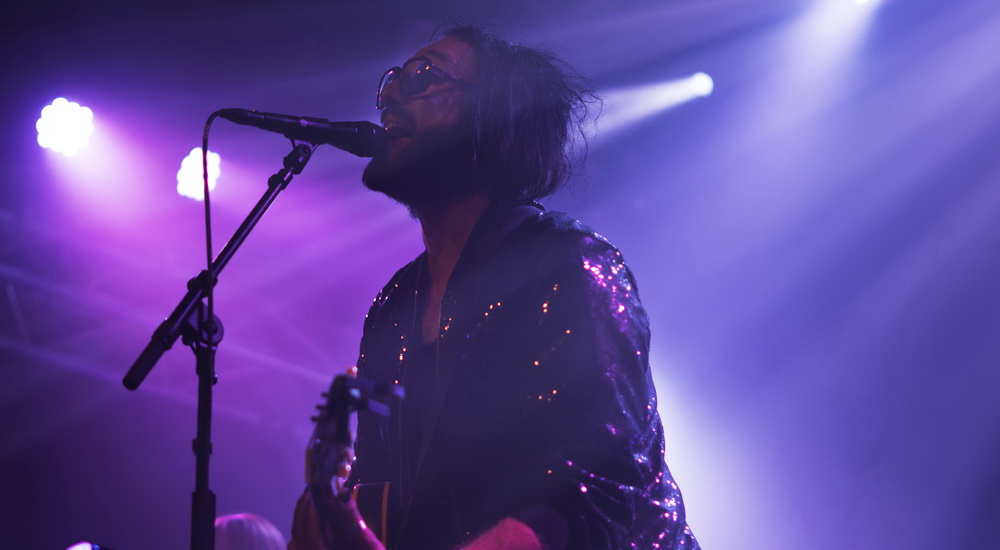
The influences of David Bowie and Nick Cave
To some part Bladzun embraces a melancholic approach in his productions with bittersweet melodies, however he manage to walk the line in between hope and sorrow and come out hopeful on the other side. The references and an overall resemblance to Nick Cave have made an imprint on Blaudzun and there’s no secret that influential work of Nick Cave, but also David Bowie, have had much impact on Blaudzun’s song-writing which also is reflected in live cover versions of Cave’s “Into My Arms” and Bowie’s “Starman” on the day of his death. In the same manner as his musical heroes, Blaudzun too suffered from a dark period in his life.
You also work or have worked with a few different projects. Before Blaudzun you did, for instance, this Dutch rock band Beam and recently you released an album together with electronica producer David Douglas under the umbrella of Haty Haty. How important are former projects, and in particular the recent one, for you as Blaudzun in terms of creative output?
You can’t find anything from Beam on the Internet, it’s erased (laugh). It’s like a pre-Internet era which at best may have some leftovers at MySpace (laugh). I really like electronic music and I listen much to dance and electronic music at home but I have never found a place for those sounds in the world of Blaudzun, so it’s fun to do that kind of music with other people. And it’s different! He’s making the beats, I’m playing the bass and singing the toplines. In Blaudzun I do all of those things on my own so it’s different.
I think the collaboration with David have had some influences, in particular on the first “Jupiter” record because the songs are structured in a different way, very repetitive which is quite similar to how electronic music is structured, and that influence is good.
Are you going to do something more with Haty Haty or was it just a one-time project?
I don’t know, it’s fun to do but now, with the three “Jupiter” records, it’s been quite a busy time and I don’t have much time to do other projects at the moment.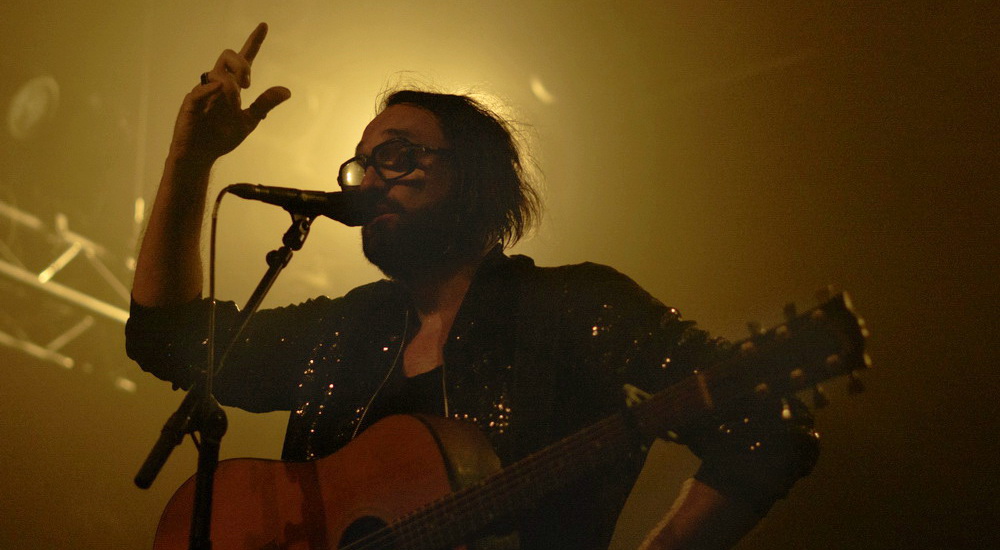
I also know that one of your true inspirational sources is David Bowie and that you on the day of his death were performing “Starman” in Dutch television and in other interviews you refer to Nick Cave for instance. How much to these role models mean to you?
Their music touches me and they feel like brothers to me in the way they perform and write songs, especially Nick Cave and how he write songs. He’s like an old prophet telling his stories through songs, I really like his point of view and the metaphors he use to get his message out – straight to the point, but at the same time he manage to stay mystical. It’s not rock and roll for the gut feeling, it’s rock and roll for the heart.
Also “Heroes” with Bowie have some lines in the lyrics that are very intimate and emotional, and he combines it with changing perspectives of telling the story. That’s what Nick Cave also does. And there’s another thing that is special about Bowie and Nick Cave. I’m not a religious person anymore but you can feel that they have something spiritual that they add to their music – you can really feel it. When they’re on stage and perform intimate songs it’s always real.
And more; I don’t bother anymore but everybody seem to call me a singer-songwriter which is ok for me but I come from metal, rock and roll and hip hop – that’s what I like. It’s too narrow to call it singer-songwriting.
But one striking feature among artists such as Nick Cave and many I’ve interviewed, is that artistic life make them feel emotionally torn apart by changing between everyday life and the onstage life. You put so much of yourself into your artistic work that there is nothing left when you’re not playing that role. I know from interviews in Dutch media that you’ve been open-hearted about your own depression and its reasons. What is your take on this on and off relationship, to travel between these quite different worlds?
It’s much about timing. For instance, if you are in a relationship and go on tour and then return back home, the tour is still “in you”. When you had a week off you have come back to everyday life again but then it’s time to go on tour again. That’s a problem for lots of artists where you feel a bit alienated from home. Every artist knows about this problem.
I like ordinary life. We’ve been on this mini-tour for four days and will go back to Holland tonight again which means that I will have three days with my kids before I’ll go away again, and I really want to be a dad for them during those three days.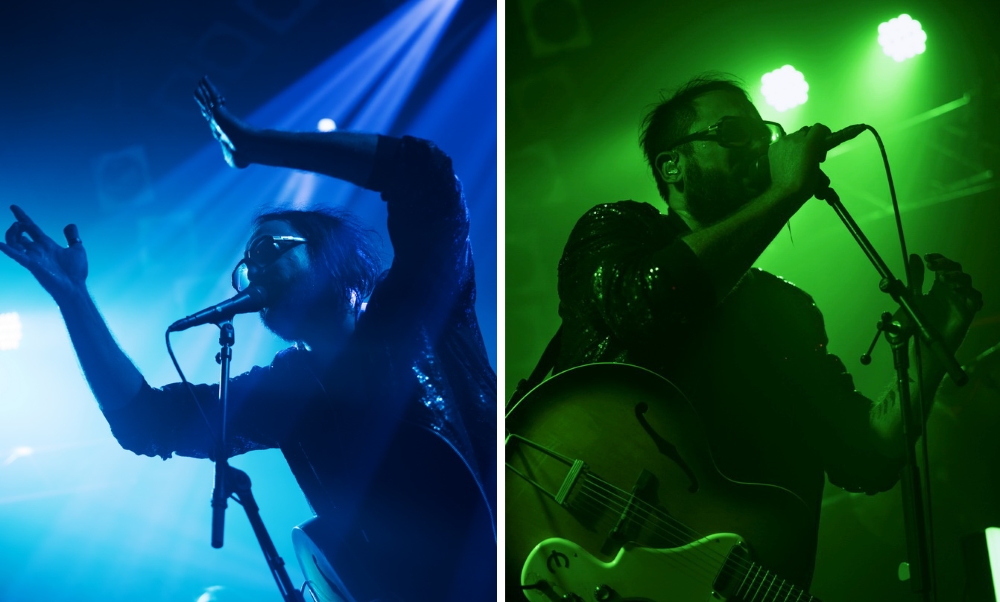
Expanding the fanbase
Blauzun’s success on home turf and in the surrounding Benelux countries, in particular Belgium, is the result of frequent touring in these countries. In Germany the fanbase has grown slowly but several shows later Blaudzun has finally established his brand on the German music market and gained wider recognition among fans. However, being a singer-songwriter from The Netherlands is also a struggle and about facing the challenges of being recognized in major singer-songwriting countries such as the UK and the US. A quick look on top singer-songwriter lists confirm that the vast majority of those artists have their origin in the UK and the US.
You’ve had a major success in the Benelux countries and have toured those countries quite much, in particular on home turf in The Netherlands, but how difficult is it to reach out of Benelux in general and The Netherlands in particular and find an audience in other countries? I know that you’ve worked with Norwegian artist Ane Brun and in some interviews she pointed out that it’s very difficult to reach out of Scandinavia. What’s your take on that?
Look at Ane, she started out in Holland releasing records on the same label as me and started to play smaller venues and then built it up step by step as every new artist in Holland need to do as well. She did it with much success and sold out most of the venues meaning that next year she can come back and play bigger venues and play the festivals. Now, she is doing well in Holland.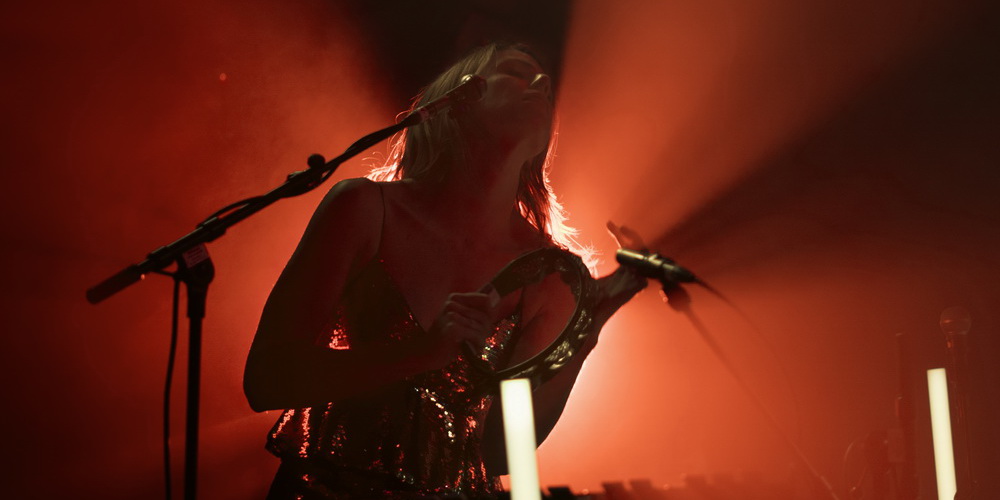
She started from the beginning again and that’s what I try to do as well but you have to do it in countries like Germany and the Scandinavian countries – but not before you’re successful in your home country. Otherwise it’s not possible. It’s the same with the US; I did some tours there but it cost lots of money to restart your career there. I did the Southside and Hurricane festivals in Germany, I’ve played Knust several times – but I started at a very small venue at Reeperbahn, Prinzenbar, the very first time in Hamburg. Later we played a full house Gruenspan at Reeperbahn, but you have to come back and take it step by step to build a fanbase.
But it’s hard, especially if you’re not from England or the US to break through in other European countries. It may be just like with major companies having a good backup from their home country, it gets easier to move around the world then.
Last question; where will focus be tonight? Are you going with the “_UP_” tour or will there be a mix of albums since the festival is not part of the tour?
Well, yesterday the first leg of the “_UP_” clubtour ended. After this festival season we’ll continue doing clubs. This is actually the first festival of the season although it’s in a club, and for me it’s still the club tour. But it’s a festival setting with a one-hour show meaning that we can do the club tour set. Let’s say we do a festival set but with lots of “_UP_” songs on the set list (laugh).
Photographer: ©Teresa Enhiak Nanni
Photo gallery
Blaudzun pages


Messed!Up recommends
