 Messed!Up
The Royston Club’s story is a modern success story rooted firmly in small-town beginnings. Formed in the football crazy town of Wrexham in Wales, the band grew up far from the heat of the music-industry spotlight. What they did have was a tight local scene, a shared love of indie and alternative guitar music, from which they built their reputation the old-fashioned way: relentless rehearsals and packed hometown gigs where word of mouth mattered more than algorithms.
In 2023, the band released their debut album, Shaking Hips and Crashing Cars, which skyrocketed through the UK Album Charts, ending up in 16th place, and saw them win over a dedicated legion of fans. For a band that started out playing to familiar faces in local venues, chart success marked a powerful validation of years of persistence and belief.

The success of their debut has earned them appearances at Glastonbury and Reading/Leeds festivals, and added to the pressure of writing a follow-up – would they be another victim of the sophomore slump, or would they push the boundaries once again? The answer? An even higher position at the UK Album Charts: their second album, Songs For the Spine, ended up at no.4.
When the band passed through Hamburg for a gig at Nochtspeicher, we sat down with the band and talked about growing up in a small town, the pressure of writing a follow-up, and plans for the future.
Smalltown Boys
Great to finally meet you. I’ve been to a few of your shows by now, but never had any luck in hauling you in for an interview – until now. In fact, we have sort of a common origin. You’re from Wrexham, right? My dad was born and raised in Bangor-On-Dee, just a few minutes south of Wrexham.
Ben: “No way! You’re from Bangor? I almost don’t believe that (laugh).”
Sam: “That’s crazy! I’m also from Bangor.”
That’s what we also have in common – growing up in smaller towns, starting a band, and touring Europe. How important has Wrexham been for The Royston Club to evolve before it took off, and you recorded your debut album?
Ben: “Well, there’s less to do in a small town, so you kind of lock yourselves in a room and just play music for hours on end. And also, because you’re the only band in the area doing it, that also gives you a drive to be like, ‘We’re the only band doing it, so let’s make something out of it’.”
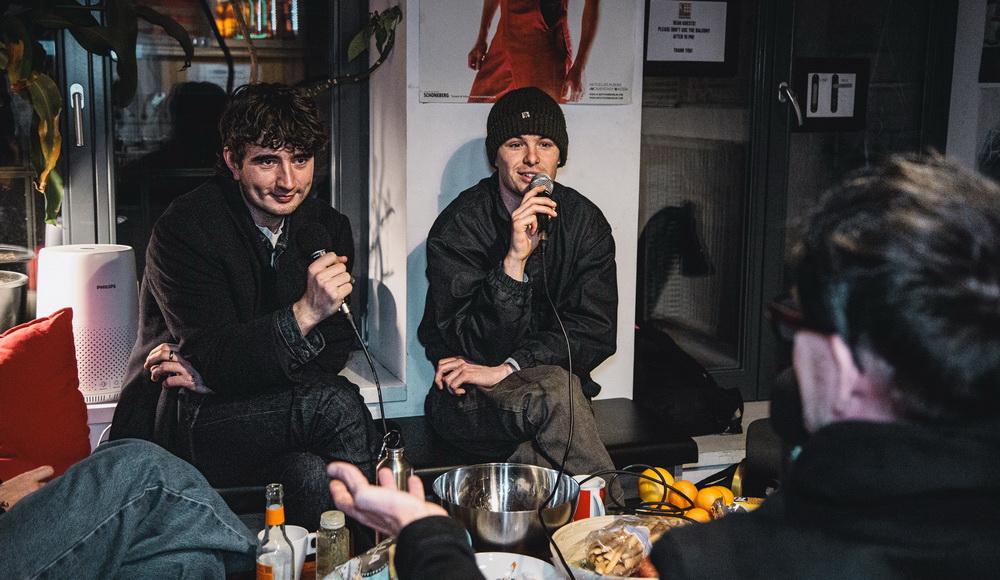
Tom: “Although there’s not much of a scene in Wrexham, there’s so many people who will help you out because you’re the only band, and we were given lots of opportunities as we started. I don’t think we would have got it if we were in Manchester or Liverpool. So yeah, there’s definitely pros and cons to it as I’m sure you’re aware. You know, there’s not many venues to play in Wrexham, but the venues that you can play are great, and they really gave us a leg up.”
Dave: “It’s also way more competition in bigger cities. The smalltown mentality is great, and lots of people are good and help you out.”
But you’re still loyal to Wrexham, right? I saw that you had your release party for the second album back home, rather than booking a big venue in Liverpool.
Ben: “Yeah, we’re always back there. We’re actually organizing another gig there at the moment. For Boxing Day, we’re going to do a little homecoming show.”
Dave: “I’m not sure I’d describe it as that. To be fair, it’s just going to be a load of people getting pissed, playing covers.” (laugh)
Ben: “That still counts!”
“But yeah, we love Wrexham, and we’ll always be back there because we have a lot of families around there still.”
But when looking back on those pub years today, when you walk onto the stages at the Reading and Leeds Festival or at Glastonbury, does it ever feel strange? I mean, you play bigger venues today, and next year you have this huge Roundhouse gig in London.
Ben: “Just like what we were talking about, we love playing at those little venues. It’s great fun and a completely different vibe.”
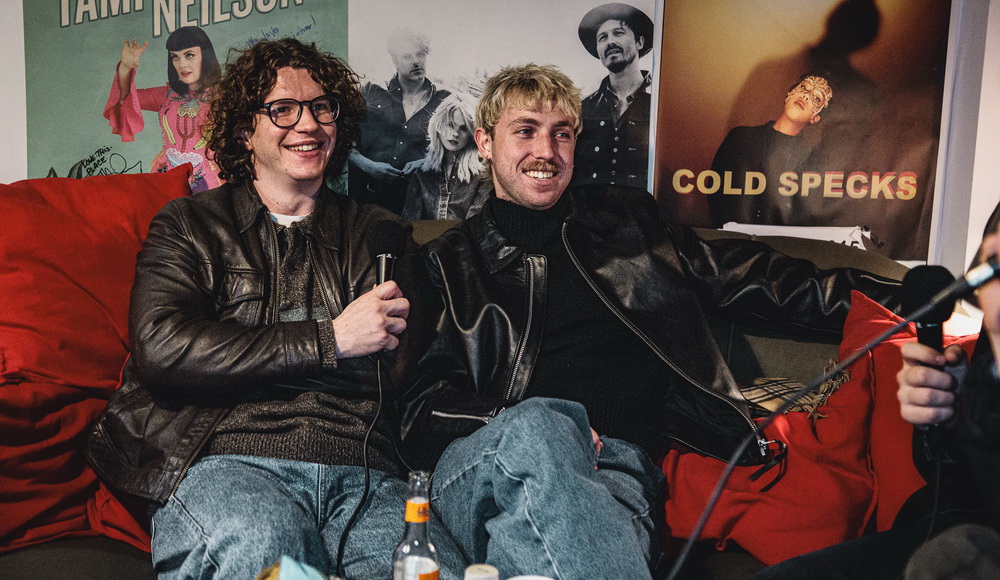
Tom: “But still equally nerve-racking in different ways, though. You’ll see the whites of people that you don’t see in Reading at the Main Stage and stuff like that. So, it’s different but nerve-racking nonetheless, especially when you know half the crowd in Wrexham. You’ve met them all personally. So, it’s a different kind of experience.”
Sam: “They know where you live, so if you fuck up…” (laugh)
Is it even more pressure to play back home in front of people you know?
Tom: “Maybe not compared to, like, Reading or Leeds, but there is definitely a thing where you actually do know people in the crowd. And for me personally, if I have these people out there who can actually tell me that they didn’t like it, then you should probably turn it on a little bit.”
Ben: “They’ve seen us play so many times, and if we’re not very good here, they’re going to think we haven’t progressed in six years, so we’d better show them that we’ve actually improved. It would be horrible if we didn’t.” (laugh)
The Sophomore Album Success
Their debut had done everything they’d hoped for and more. It climbed the UK Album Charts to end up on no.16, brought new faces into the rooms each night, and turned a band from a small town into a name people recognized. But success has a strange way of shifting the weight of expectation, especially when writing a follow-up to a UK Top 20 album. However, for The Royston Club, writing their second album was never a problem; they’re too ‘lazy people’ for getting stressed. And the result was an even bigger success than their debut album.

Your second album, Songs For the Spine, came out at the beginning of August. I can imagine there must have been some pressure in the writing process to follow up your debut album after it reached a Top20 position on the UK albums charts. How was it to start on the back of that success?
Ben: “There was more pressure, especially writing it rather than in the recording process. Once we had the songs, we knew it was fine to record them.”
“It’s two years ago, this month, when we started writing it, and we were told ‘You got twelve months to write an album and then you have to record it’. And we were like, ‘Shit, we’d better get going then’. But once it was written, it was like we knew what we were doing, and we felt quite comfortable with the tunes.”
Dave: “Maybe it was that they (the songs) were going to be good enough for the second album, I don’t know. But the last few months up until quite recently have been quite intense, and we hoped that these songs that we’d come up with were not just forced to get the record out. You don’t want to feel that it’s not your best work.”
Ben: “But it paid off. It really paid off.” (laugh)
My experience is that you don’t have even half as much time as you have recording your first album. It usually translates into less time to work on the songs, meaning you must cut back on the details. How did you handle that?
Tom: “I don’t think we’ve sacrificed anything, like, as you say, sacrificed the music. I wanted it to be a bit more for people in the room, so the recording process in that sense was a bit easier and made it more comfortable for all of us.”
Ben: “We’re all quite lazy people when it comes to writing music, so the pressure actually helped. If we’d had four years to write it, we’d still only have written it in a year because we would have waited until the last year and then started (laugh). So, it being told to us that you got a year, you’d better get going. I mean, it meant we couldn’t procrastinate at all and just had to get going.”
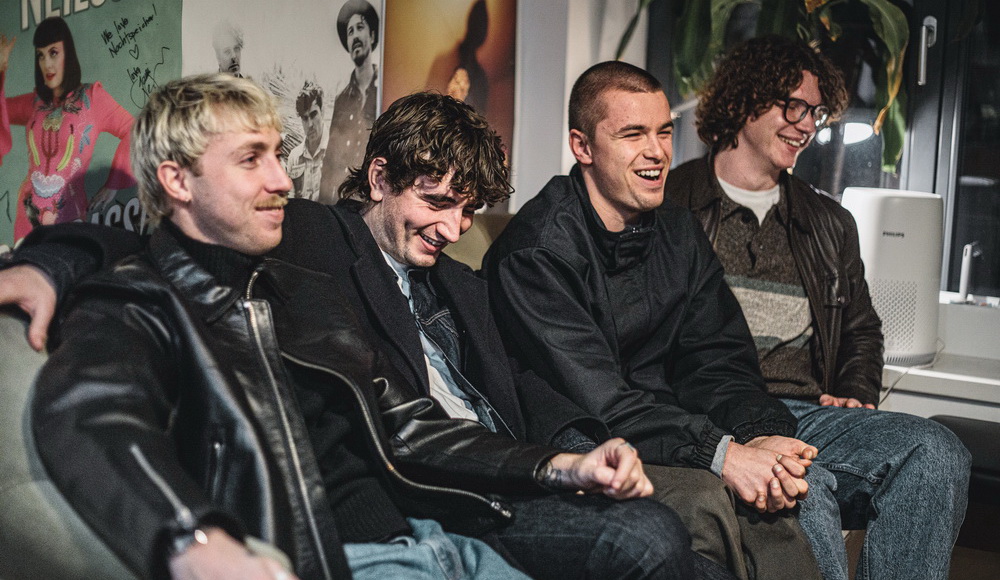
Tom: “Yeah, and possibly approach this next one in a different way as well, because of that, even though it turned out great in the end. Maybe having two months to go and four songs missing, just to put some pressure on our shoulders.”
With less time, you often have to rely a bit more on the producer and hand over a bit more responsibility, and you worked with experienced producer Rich Turvey, who has produced quite many good records over the years, like Blossoms, Spector, and Courteeners. Did he add something that pushed your sound in a new direction to make Songs For the Spine sound different from your debut?
Tom: “Working with him was very good for us. Like, I was ill for the first week of it, and I was fretting about whether we’re actually going to get it finished. But because he’s a bit of a seasoned pro, he was like, ‘It’ll be fine, don’t worry about it. It’ll take as long as it takes’. So, it was a very safe pair of hands to have on an album.”
Ben: “We put so much pressure on ourselves to do well anyway, so having him around the block a lot has been amazing. He has produced lots of similar types of albums, which we all really love, and he was a really good influence. It’s a nice environment to work in.”
But what did he add in terms of a change in sound on Songs For the Spine? To me, it sounds a bit more polished and a move away from indie pop to an indie rock sound.
Ben: “We were definitely going for that kind of style. Like you were saying before, we tried to minimize everything we were doing, and in doing that, the parts we did have are in focus a lot more. The tones for the two guitars, for example, were focused on a lot more than the tones of the ten guitars we had on each song on the last album.

Tom: “I know Rich called it a bit of a transitional album where there was a lot of songs that sound very similar to the first album, and then a lot of songs that really don’t sound anything like it at all, but a bit of, like you said, polished and professional and a bit more bass or deeper. You could hear that a little bit, where there’s bits that relate back to the first one. But on the whole, it’s kind of moving away from the classic UK indie pop.”
I was talking to Shame a month ago, and they pointed out that they change producers every album to put themselves in awkward situations and force themselves to change.
Ben: “I like it because going into work with Rich, I was a little nervous thinking, ‘Shit, we’ve really got to show him that we’re not some shitty band and that we’re actually good at what we do here’. So, it’s an interesting take that.”
Tom: “Yeah, but what if you’ve made something you’re really happy with? Then it’s a little bit of a strange move to just push it away. So, we just made a great album with someone. Then why would you put him to the side? That’s my point.”
Ben: “Well, I don’t mind that, the thought of, like, having to put pressure on. It’s a good idea.”
It must be relieving to see how well Songs For the Spine has been received. If I remember it right, it peaked at the 4th position on the UK Album Chart.
Ben: “It did, and just behind Oasis! We are extremely happy with that. You know, we went into it just hoping we’d beat the first (album), and as time went on, we were like, ‘Oh shit, we’re doing all right’, and then it started to change our expectations a little bit.” (laugh)
Dave: “When the first album came out and it was at number sixteen we were like, ‘Holy shit, we got on Top20’, and as soon as you see that first midweek one for the second album, you’re like, ‘I hope it’s not anything less than…’, and you’d be really nervous because you want it to do better than the first one or it would feel like a defeat.”

Tom: “It was a bit of a weird one getting the number four because, realistically, if you just told us that we got on the Top20, we would be absolutely buzzing. But knowing that it was higher was amazing, really great.”
Did it open a lot of doors for you as well, to play a lot bigger venues? I mean, these shows you’re doing next year, they are kind of big, like the one at Roundhouse. I remember last time we covered you it was at the New Cross Inn in Manchester, and next year you’ll play venues with twice the capacity.
Ben: “That was a great venue, and a really great night.”
Tom: “Yeah, there has been great progress on the live front, and we’ve seen a lot of new faces in the audience mixed with some familiar ones as well. The same couple of 18-year-old girls who are always at the front of every single show, no matter where we play. So, a big shout out to the diehards.”
And now you have released two successful albums. Maybe there will be more pressure when you start on the third instead.
Dave: “A healthy amount of pressure with each album we release is a good thing. It does come back to what Ben said that we are quite lazy.”
Tom: “I think that’s a good way to look at it. Healthy mind pressure with each album is a good thing. So, it does work when someone says, ‘You got like a year to do it’, and hopefully it will have a similar effect next time as well.”
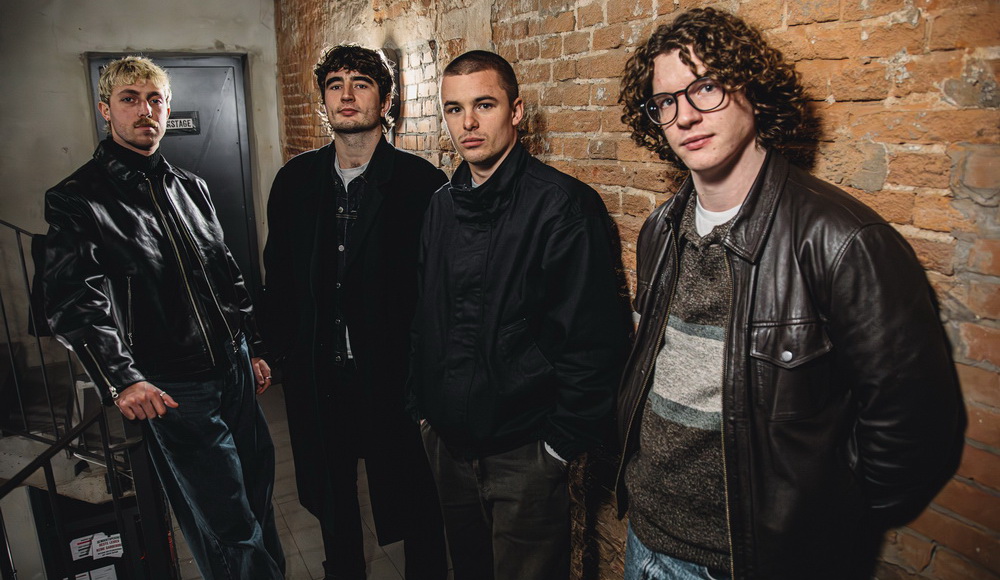
You have done the UK leg of the album tour, and Hamburg is the last stop at the European leg, right? And next year, you have some big shows coming up in May as well. You also played the major UK festivals like Reading/Leeds and Glastonbury. What’s the next move? Playing even better slots at the big festivals in the UK and Europe, or targeting the American market and trying to get established over there?
Tom: “We want to push it and play, obviously, everywhere, so I think America is definitely on the list. We’re looking at all the visa stuff right now because it’s a lot to fill out. It would be really cool to play in front of new audiences and people we have never met yet. So, that’s definitely on the to do list, hopefully next year.”
So, no Wembley plans?
Ben: “Not quite yet.” (laugh)
Tom: “Give us nine months, and we’ll be there – Wembley in nine months. But don’t hold me to that.” (laugh)
*****
Photographer: Sophie Dobschall
*****
The Royston Club pages


