 Messed!Up
The goth rock sound was the coming together of different eras and genres, hailing from the UK in the late 1970s, but the influence has now spread around the globe. Taking a wide array of influences from various bands like Joy Division, Killing Joke, Alice Cooper, David Bowie, New York Dolls, Gary Glitter, the Damned, and tons more, many of the bands created a new, invigorating brand of rock music, appealing to the dark side with themes of death, love, religion, and the occult. However, you never saw or heard about any references to the cold north in Scandinavia and countries like Finland.
In the late 1980’s a band with a dream of the American rock life started in Helsinki, way before the late 1990’s wave of the Finnish goth metal scene with bands as Nightwish and HIM that enjoyed much international success, Their role models? The most successful Finnish band of the time, Hanoi Rocks, that created a blueprint for reaching out on an international scale with music.
A decade later The 69 Eyes had found their sound when they merged together goth, glam and garage coated in a horror rock scenery, and followed in the footsteps of Hanoi Rocks to America, thus fulfilling their dream to play sold-out venues across the Atlantic.
In September this year they released their 12th studio album “West End”, marking 30 year as a band, and when they returned to Hamburg to play a sold-out Logo we sat down with frontman Jyrki 69 and talked about their history as one of the pioneers on the Finnish music scene, their American dream and struggles in the modern music industry.
“Radio made this band happen in Finland”
Welcome back to Hamburg. You’ve played here quite many times through the years and I remember you playing Markthalle a few years ago.
What’s fun is that the first time we played in Hamburg it was at Molotow, the second show we ever played was here [LOGO], and I love this venue. We have played at Knust and Markthalle, but I really prefer places like this. We disagree about that in the band but for me The 69 Eyes belong to seedy rock clubs, not bigger venues or arenas; I feel more comfortable with the band in places like this.
You were one of the early Finnish bands to reach out in America. For being a Finnish band that must have been huge.
It had just happened to one band only before us and that was Hanoi Rocks, and when we started Hanoi Rocks were our biggest influence. There was no other template for rock ‘n’ roll for us.
When you just want to play rock ‘n’ roll you have the same dreams like everyone playing rock ‘n’ roll has and want to do the same things you see other rockers across the world do, but when you are from Finland those dreams have certain limitations. Hanoi Rocks did everything totally different; first they moved to Stockholm, very early, before moving to England and then tour across the world, especially America, and that was our blueprint when we started the band.
We started in the eighties, just a few years after Hanoi Rocks split up, and it took almost ten more years for the Finnish metal scene to surface, bands like Children of Bodom, Him, Nightwish. That’s bands being ten years younger than us, and we’re ten years younger than Hanoi Rocks.
But this wave of bands on the rock/metal scene from Finland became very popular across the world. How did that help you to reach out, although you were an older band already when these bands surfaced?
We started as a glam band and the first place we ever went outside Finland was Stockholm because we had a lot of friends in Stockholm, like Entombed, Backyard Babies, The Hellacopters, Dismembered and all those great bands that were coming out of Sweden at the time.
When we started the band, Hollywood was the rock capital of the world but New York was very important to me because I hanged out there a lot and got the influences to The 69 Eyes, and then Seattle happened. However, Stockholm was important for The 69 Eyes in the beginning because it was the Scandinavian capital of metal and rock in the mid-nineties. We had already played ten years when it started in Stockholm and up to that point we had been influenced by garage rock, glam and goth, and we just tried to merge them together.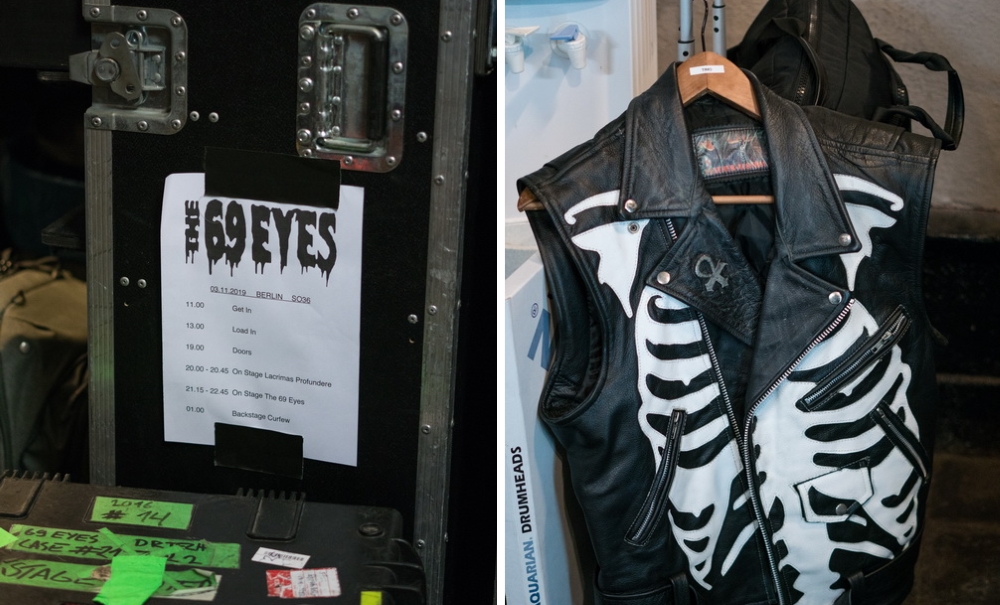
But in the transition to the new millennium all these new Finnish metal bands started to turn up, like Him and Nightwish, and many of them gained worldwide popularity. That was the peak when those bands turned up. Obviously, we had nothing to do with that genre and we’re also much older than those bands, we’re a band from the eighties playing rock ‘n’ roll music, but when the doors opened for those bands to tour the world we just joined the wave. For instance, here in Germany HIM are huge and people were curious about finding similar bands from Finland and in some strange way the found us (laughs).
When HIM were touring Germany, the same teenage girls had time enough to come out for our gigs, and that’s probably why we still play Germany today. Although we have nothing in common with the genre it obviously helped us to get some attention.
But also, the fact that Finland became a member of the European Union made it easier to tour Europe and Germany although it has nothing to do with pop culture in its own, but without that it would have been a lot tougher to get out.
You have been on the scene for thirty years this year and what I’ve seen from lots of interviews this year is that everyone wants to know how it is to still running the band. But isn’t boring to be reminded about how long you’ve been doing this at this point?
Yeah, when you have played this long you always get those same questions. How do you still keep it together? Are going to continue? That’s just lame questions because we don’t have a good answer on them. We just know that we didn’t start the band to be a business, we just started from this dream of being in a band.
What is more interesting is how you’re sound has evolved over the course of thirty years. Quite much have changed from the garage punk sound of “Bump ‘N Grind” to your modern rock/goth rock sound. How would you describe that kind of journey, starting in the late 80’s?
We did these two singles when we started the band, two seven inches [“Sugarman” and “Barbarella”], but we didn’t know what do when we were in the studio and we didn’t have a producer, it was just the energy of youth on those singles.
When you are born you scream, and when you start a band and have all the energy and excitement that comes with it, and record your first single, it’s very close to being born. You put all your energy and the young yourself into it. Those first two singles represent that, and people that listened to them thought “This is a really cool band, they are raw and powerful”.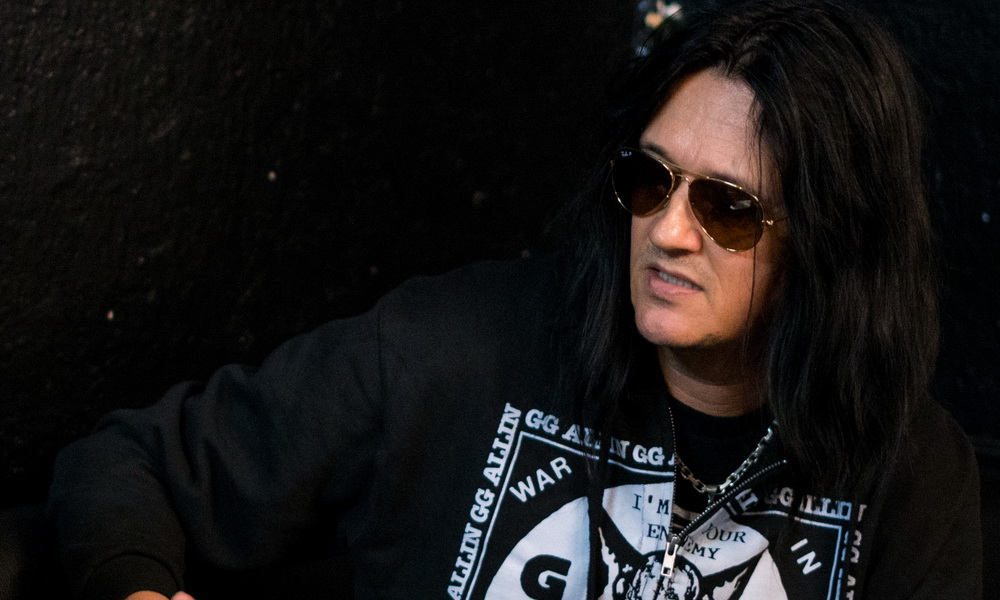
After that we went into the studio with a producer to record the first album at the same time as Aerosmith released “Pump”, and he was like “We have to sound like this”, but with the budget we had back then that was impossible. The album became really polished and I remember being very excited about it, of course you are when you release your first record. We were like “Can we reach the top if we do this?”.
In a way we were privileged because we got the opportunity to record albums and record them in studios while many bands in Finland didn’t get the same opportunity, but most of them were also singing in Finnish. For us that was very special to have that privilege back then.
But it took us ten years to develop the sound that we wanted. It had to be goth, glam and garage, and also the horror mysteries that we have today, and it took some time to merge it all together. We met Johnny Lee Michaels who produced most of what we have done since the beginning of the 2000s. He really understood what we wanted and added keyboards which made our songs more commercial in the sense that we got airtime, and that changed it all for us. Radio made this band happen in Finland.
People’s attention span: No time to focus on anything anymore
Streaming services may have an uncanny feel for our tastes, but what’s sure is that they changed our relationship with music and how bands understand their fans and listeners. Today, the listener’s range of access is vast, and you, the listener, hold the power. And there’s a huge problem with the massive library of music available around the clock.
This 24/7 availability and the huge amounts of content available on the internet has significant implications for modern day consumers’ attention span. As consumers of music we are demanding not only that our interest is immediately piqued, but that our consistent focus is not required for too long either. A 2015 study even state that our attention span has fallen to 8.25 seconds; that’s the time bands have to convince their listeners that they’re good enough for further listening.
Of course this has strong implications for the art of music if audiences don’t have the patience to sit through pieces of music that take a while to develop. And Jyrki 69 points out the problem in the context of promoting their new album in social media.
Being around for such a long time also gives you a unique overview of how the whole industry changed. You released your first three records in the pre-internet era and before illegal file sharing happened, you were part of the first generation of bands that would use Internet for promotion, like MySpace, and experienced the transition to streaming services. Did you find the recent transition difficult, especially to reach out with the music and how people listen to music today?
We have some songs on our setlist that are very popular in Finland because they are on high rotation lists on radio because it’s classic Finnish rock music, and radio plays them all the time. That’s how people in Finland know about us.
When we come here I found out by the Spotify algorithm that we’re not on the German playlists meaning that our fans are loyal and intentionally listen to us on Spotify. But it’s difficult because you need to adapt the setlist to where you play, in which country you are performing. Americans like our harder stuff, here and in Russia people like our melodic songs more.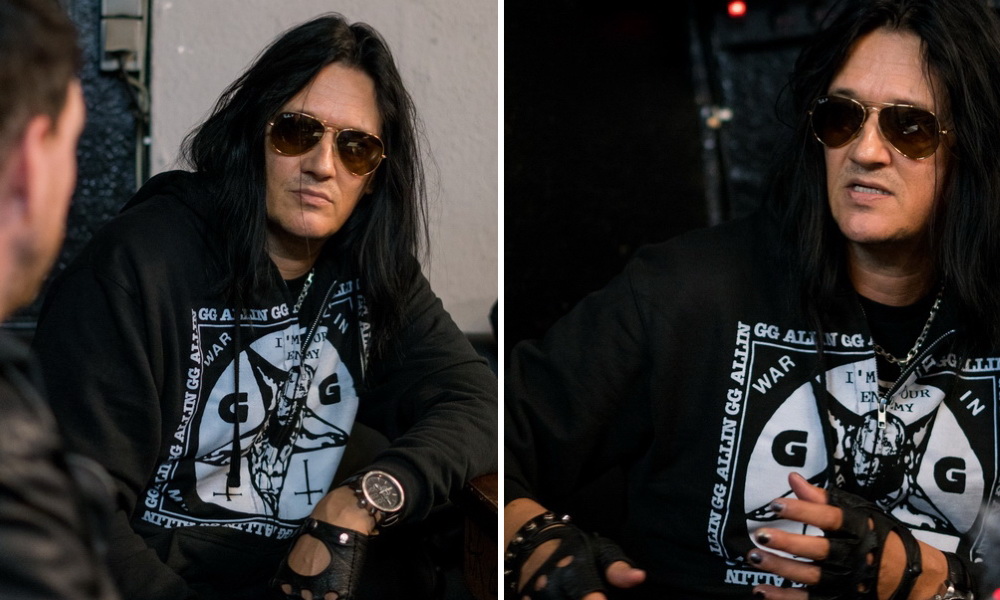
What is difficult today is to understand – and this is very interesting since we just released a new record – whether people have time to listen to the whole record. Do they know about the video singles we just put out? It’s impossible to know.
What I’m most concerned about is to make sure that the fans know we have a new record out. You put the new record cover on Instagram and ask “What’s your favourite song on the record?” and the fans answer “Lost Boys” or other older songs. People don’t have time to focus on anything anymore, it’s really hard to get the message through.
That’s what I mean. The album represents a story, something you want to tell listeners but that message get lost if people just pick one song and not listen to the whole album.
That’s a bit of my point. On this tour we have the last song from the album on the setlist, and people seem to really like it. It’s called “Hell Has No Mercy” and it’s a slow, strange and very long psychedelic AC/DC like piece, and when we start to play that people seem to dig the song, it seems to work out, but I have no idea if it’s music they never heard before or if they remember it from the record. Or even worse, do they even know we have a new record out?
It’s also about how promotion of music has changed. When you started we didn’t even have internet and today you have all different social media like Facebook and Instagram. Has that change in how your promote music, and the increased responsibility for the band to do much of it, been difficult to handle?
All of us have always been interested in the new media and how to make use of it, and I take care of much of it for the band. But I try not to promote myself that much, I’ve actually cut out myself from Instagram to keep a distance. It’s about to finding a balance.
What I like to do is to tweet photos and short messages while we tour, like keeping a diary on the road. Every time we reach a new city on tour I try hard to find a spot in that city to show some respect for the local fans and promote that. I think that’s the best way to show respect to fans, to put their city on our Instagram; it’s us saying “We like to be here, it’s a cool place, thanks for supporting us and see you tonight”. But that has nothing to do with music. It’s about me still being curious on what life has to offer.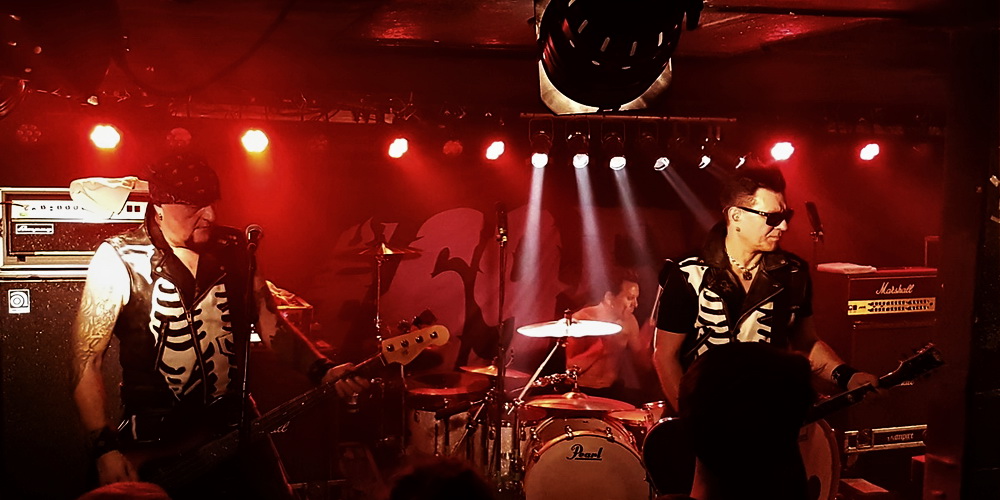
It has been such a privileged thirty years of being on the road and get the opportunity to travel and see places, and meeting all the people. Most of all it’s about being social; I’m on stage to make more friends, get more contacts. There’s probably some people I should be close friends with that I don’t know yet. During this thirty-year journey I’ve met a lot of people and wonderful friends and created a worldwide family. That’s my purpose of life, to meet all these cool people around the world, and I’m quite sure that I haven’t met all of them yet (laughs).
Something cool is about to happen
I know that some sort of dream came true when you had you’re breakthrough in the US and you have been there a lot with several of your bands. How important was, and is, America for you?
Yeah, when I started to be interested in rock ‘n’ roll and play rock ‘n’ roll it was all because of Elvis. America is where rock ‘n’ roll started, and for me it was an impossible dream to come from the north, from Finland, and create a similar kind of art and think that people from America would be interested, but it happened. I never expected The 69 Eyes to make it happen, but now we’ve reached that level where everything is great, and we have stayed there for a while.
On this tour all the German shows are sold-out, the same with the American shows we’ll play later, which is very cool because people obviously want to see us. On a deeper level it’s more than that because for me it was like “Can I create something that would be good enough?”. With The 69 Eyes it happened.
But personally I still have something I want to try out, like working in the film industry. At the moment I’m writing a script for a movie. It’s the same like Rob Zombie did, it’s time to start doing movies (laughs). I’ve almost done everything I want to but that’s one of the things I haven’t done yet, next on the list is “Write a movie”.
I know it’s thirty years since you started but next year is thirty years since you released your debut single “Sugarman”. Are you one of those bands that will do any sort of special tribute or celebrate thirty?
Actually, as we were closing in on thirty the guys said “Hey, we’re thirty, we have to do something special” and I was like “Never mind, just keep it quiet and continue as usual”. We have always been good at looking forward, to the future. I really think there’s something for us in the future, it’s not going to end here because I feel that there’s something out there for The 69 Eyes. I would like to see more people wearing our t-shirts while we’re still around and not like Ramones who never experienced that.
Actually, we have some really cool plans that I really can’t tell you all about now, but there are some really cool steps for The 69 Eyes to take, something bigger than an American tour. For six years ago I was a bit bored with the band because nothing happened but now we have all these cool and very creative people around us.
I’m kind of sure that people who have followed us for a while will be super excited and happy about what’s coming next.
Photographer: ©Teresa Enhiak Nanni
Photo gallery
The 69 Eyes pages


Messed!Up recommends
